
How to choose an underseat cabin bag for an easier flight
Wondering what an underseat cabin bag is and if it can help you travel better? Find out in under 5 minutes with our quick read guide.
An underseat cabin bag can keep your essentials close and, depending on your airline and ticket, help you avoid paying for a larger cabin bag. But choosing one can feel surprisingly complicated: different airlines have different limits, and a bag described as “cabin approved” may still be too large for your flight.
This guide helps you answer three questions: Will it fit? Can I carry it comfortably? Can I easily find what I need?
The quick answer: which underseat bag should I choose?
Start with your airline’s allowance, then choose a bag that suits the person carrying it. A backpack can leave your hands free; a small wheeled case may suit someone who finds a backpack uncomfortable. A bag you already own may do the job.
If fitting everything in means leaving behind something your family relies on, compare the cost of extra luggage. The cheapest baggage arrangement is only good value if it works for your trip.
What is an underseat cabin bag?
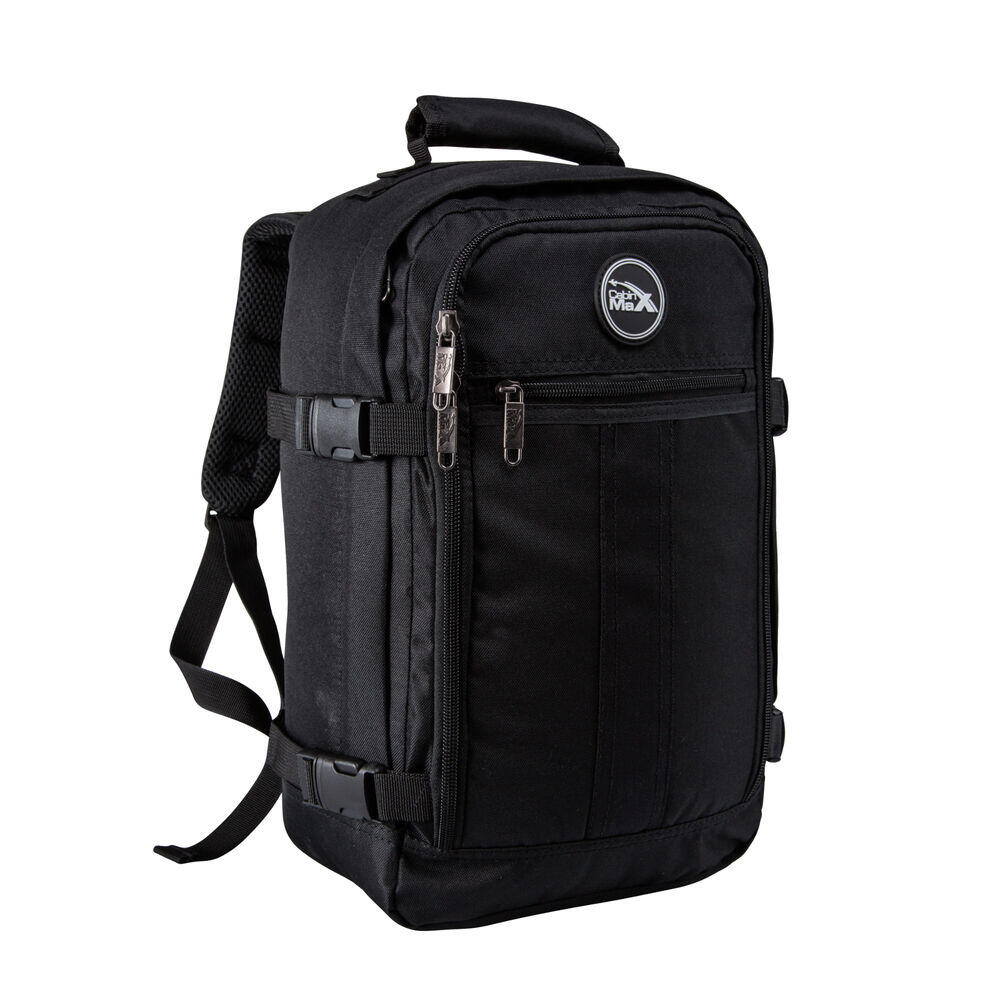
It is a small bag that fits beneath the seat in front of you. Airlines may call it a “small cabin bag” or “personal item”. It could be a backpack, holdall, handbag or small suitcase: you do not necessarily need specialist luggage.
An underseat bag is different from a larger cabin suitcase intended for the overhead locker. Check which allowance is included in your booking before buying anything.

1. Check the size before looking at bags
The word “underseat” on a product listing does not guarantee that a bag meets your airline’s rules.
For example, these are the published small-bag allowances checked on 11 October 2026:
| Airline | Maximum small-bag dimensions | Important detail |
|---|---|---|
| Ryanair | 40 × 30 × 20 cm | One small personal bag is included in all fares and must fit under the seat. |
| easyJet | 45 × 36 × 20 cm | Includes handles and wheels; maximum weight 15 kg, and you must be able to lift and carry it yourself. |
Sources: Ryanair’s baggage policy and easyJet’s cabin-bag policy.
Check your own booking and the airline’s current rules before travelling, including the return flight if you use a different airline.
Infant and additional medical-baggage arrangements need their own checks.
Measure the bag when packed, including protruding pockets, handles and wheels. A soft bag can bulge beyond its advertised dimensions, and opening an expansion zip can make a previously suitable bag too large.
A useful first step: measure a bag you already own. You may be able to cross this purchase off your list without spending any money.
2. Choose the easiest style to manage
| Bag type | May suit you if… | Think about… |
|---|---|---|
| Backpack | You want your hands free for tickets or helping children. | Whether the straps and packed weight feel comfortable. |
| Small wheeled case | You prefer pulling luggage to carrying it on your back. | You still need to lift it on stairs and into position; wheels and handles take up space. |
| Soft holdall or shoulder bag | You want a simple opening and flexible packing space. | A shoulder strap may become uncomfortable over a long walk. |
| Foldable bag | You want something easy to store between trips. | Whether it has enough support and organisation for regular use. |
There is no single best style for every family. Consider who will actually carry the bag through the airport, including whether an adult will end up carrying a child’s bag as well.
If straps, textures or weight are uncomfortable for someone in your family, include that in the decision. Try the bag packed at home, rather than discovering the problem on departure day.
3. Make essentials easy to find
A bag can meet the size limit and still be frustrating to use. Look for an opening and pocket layout that make sense to you.
For family travel, it can help to keep these together in an accessible section:
- Travel documents and anything you need during boarding.
- Headphones, ear defenders or a familiar comfort item.
- Suitable snacks and an activity for the journey.
- Medication and other essentials you need to keep with you.
A small pouch can group related items without adding lots of separate compartments. More pockets are useful only if you can remember where things are.
Before leaving home, practise finding the item you are most likely to need quickly. If it requires unpacking half the bag, change the arrangement.
Can an underseat bag hold everything for a trip?
Possibly, but that depends on your clothing, trip length and personal needs. Try laying out what you need before deciding to travel with only a small bag.
For some families, an underseat bag works better as a journey bag alongside shared hold luggage. Clothes go in the larger bag, while things needed at the airport and during the flight stay close.
You do not need to make travelling light another challenge to complete. Spare clothes, familiar items or extra supplies may be worth the additional baggage cost if they make the journey easier.
What are the downsides?
The main trade-off is space. A bag beneath the seat uses some of the area around your feet, which may feel restrictive. It also rests on the aircraft floor, so a wipe-clean base can be useful.
A small bag can become heavy when tightly packed. Check how it feels to carry, rather than treating the airline’s maximum weight as a target.
Keep the bag fully stowed as instructed by the crew. If you choose a seat without a seat in front, check the stowage arrangements with the airline.
A couple of product examples to compare
These examples show two different approaches. They are starting points for comparison, rather than hands-on Travelbetter reviews.
VANKEV 40x30x20 Ryanair Cabin Bag Underseat Travel Backpack
The manufacturer lists this bag at 40 × 30 × 20 cm, with a suitcase-style opening and area for clothes, toys, food and a front organiser pocket perfect for tablets and laptops. It illustrates the kind of backpack to consider if you want hands-free carrying and an accessible packing space.
Check the exact version: similarly named bags can have different dimensions.
View the VANKEV specifications and pictures.
Small suitcase example: Cabin Max Anode 24L
The manufacturer lists this underseat suitcase at 40 × 30 × 20 cm. It provides a wheeled alternative to compare if carrying a backpack does not suit you.
Check the exact model, its empty weight and how easily you can lift it when packed.
View the Anode 24L specifications and pictures.
Neither example needs to be your final choice. Compare the features with your own needs and check the current specification against your flight allowance.
Before you buy: five quick checks
- Does a bag you already own meet the criteria of an underseat bag?
- Will the new bag fit when packed, including handles, wheels and pockets?
- Can the person using it carry or pull it comfortably?
- Can you reach the essentials without emptying it?
- Would extra baggage make this particular trip easier?
The right underseat bag should leave you with fewer things to worry about: a size you have checked, a comfortable way to carry it and a clear place for the things your family needs.
For more help choosing useful travel gear, explore the Travelbetter Gear Guides. paying additional fees for a cabin bag but only if you are the type of traveler who is able to travel extremely-light and put up with even less legroom on a flight.
Further Bag Options
Already have an idea of the bag you’d like? Use our quick bag finder below to narrow down the options by bag type, budget and whether you need one that meets Ryanair’s small-bag size limit. It’s a simple starting point to save you some searching—just check the bag’s dimensions against your airline’s current allowance before buying.
Type
Price
Small enough for Ryanair
Affiliate Disclaimer
This quick guide to Underseat Cabin Bags includes affiliate links to Amazon UK. If you click on a link and make a related purchase we may receive a small commission. This commission goes towards the running of Travelbetter and providing travel tips and tools to help you and your family travel better. For more information see our privacy policy.